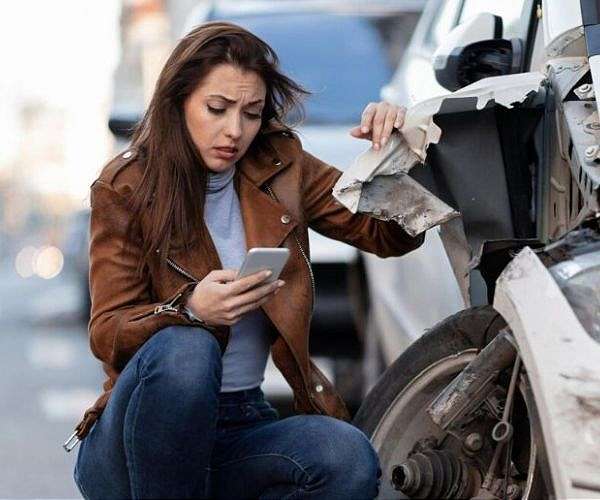
How Fault Is Proven in Car Accident Cases
by Clarence Oxford
Los Angeles CA (SPX) Feb 01, 2026
Car accidents often leave people dealing with injuries, repairs, and a pressing question: who is legally responsible? Proving fault is rarely simple, and many drivers first learn how detailed the process can be when they speak with a
car accident lawyer after a collision. Liability depends on facts, timing, and how each driver's actions are interpreted under the law, not just on what feels fair in the moment.
These issues take on added meaning in places like San Bernardino, California, where commutes and busy roadways increase the chances of serious crashes. Understanding how fault is established helps San Bernardino residents know what to expect, protect their rights, and make informed decisions when facing insurance claims or legal action after an accident.
Collecting Evidence at the Scene
Evidence collected from the scene of the crash is physical evidence. So much can be inferred from skid marks, debris, and the positioning of vehicles. Photos are visual evidence of vehicle damage and the condition of the road. Statements of witnesses also corroborate or contradict accounts of events. An objective account is often a huge bonus for the case, and law enforcement reports are neutral and thus highly useful.
Reviewing Traffic Laws and Regulations
Traffic laws establish rules for safe driving and define what constitutes a violation. Lawyers will measure steps taken before a crash against these regulations. When someone runs a stop sign, drives at high speed, or changes lanes unsafely, it is often a sign of a lack of regard for safety. So when someone violates a law, that violation is evidence of wrongdoing.
Using Police and Accident Reports
Police document what they see and speak to any drivers and any witnesses. Their reports detail the accident, including weather, lighting, and road conditions. Police will also offer their opinion on liability and who is at fault for the accident. These opinions are not always binding, but they can sway the insurance companies and courts.
Analyzing Photographs and Video Footage
Photographs and videos show what words cannot. Dash cams, which are now safety equipment in many cars, as well as cell phone recordings, can provide audiovisual evidence of events leading up to, during, and after a crash. Revisiting these recordings usually helps explain the events and spot which member of the pair erred.
Witness Testimony and Expert Opinions
Independent witnesses may be bystanders or passengers who can share what happened. Due to their objective nature, they may validate or invalidate drivers' statements. When accidents are complex, accident reconstruction specialists apply scientific methods to analyze the evidence. It strengthens the claim by explaining how that collision happened.
Driver Statements and Admissions of Fault
Sometimes a driver will admit responsibility at the accident scene or in conversations with others. These admissions are not taken lightly by insurance companies and courts. Statements to police, whether written or oral, are often used as key evidence. Any comments made under duress or confusion are not especially responsible.
Insurance Company Investigations
Insurance companies review all reports and evidence when investigating claims. They review photographs, reports, and statements, and sometimes visit the scene. They aim to find out who did it and to what extent. Afterward, claims representatives will contact the parties, and the adjusters will submit settlement offers based on the information they have reviewed.
Comparative and Contributory Negligence
In some jurisdictions, rules exist that assign fault to more than one driver. If both drivers are at fault, the compensation amount can then be halved. In comparative negligence, the parties are compared, and all damages are awarded according to their fault level (i.e., if a driver is 30% negligent, they pay 30% of the damages). In other areas, the
contributory negligence system bars any victim who contributed to the injury from collecting damages.
The Role of Legal Professionals
Legal professionals review evidence, confer with experts, and prepare their cases. They hold individuals' hands through the claim process and go to court when required. Utilising their experiences improves the victims' chances of a positive outcome.
Final Thoughts
A common misconception in car crash cases is that you only need to tell your side of the story to prove fault. It all comes together with using credible evidence, knowledge of driving laws, and professional guidance. But it does pay off to act quickly and gather as much information as you can about the accident. Following all key steps in the post-accident process increases the chances of an optimal outcome for all.
Related Links
The latest information about the Commercial Satellite Industry