
Space, science, and the human mind. Since 1995.
Internet Space

The same precision sensor that kept Webb locked on galaxies 13 billion light-years away has been quietly miniaturized — and it's about to solve the navigation problem nobody wanted to discuss on the way to the Moon

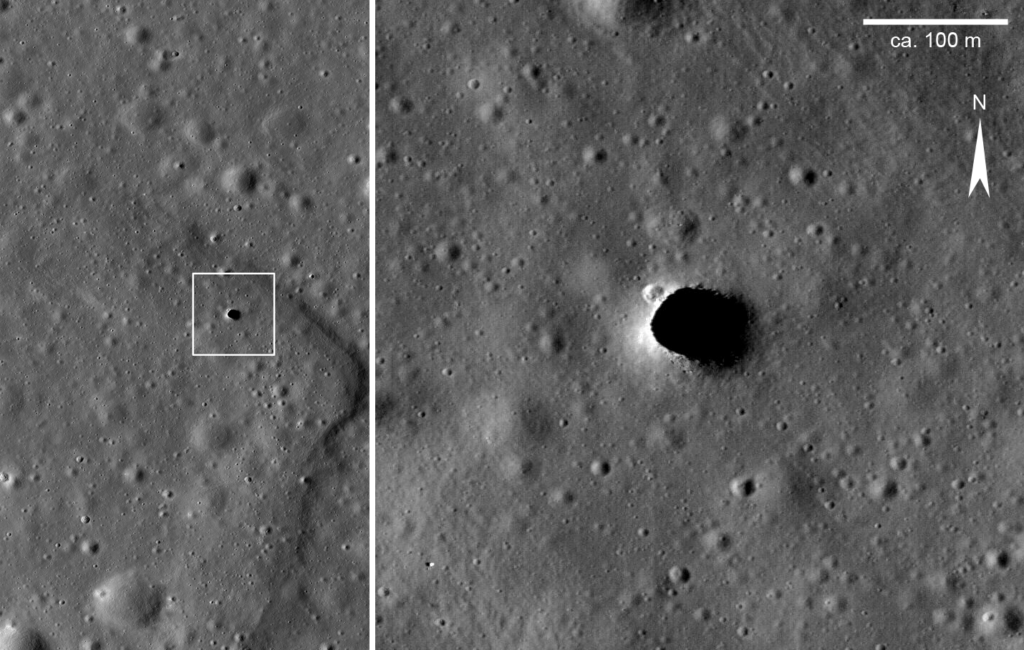
Lunar missions are running into a navigation wall. Landers heading for the south pole this decade cannot rely on GPS, the Moon has no positioning constellation of its own yet, and the commercial cadence of flights is accelerating faster than the infrastructure meant to guide them.

Latest

All articles →
Constellation

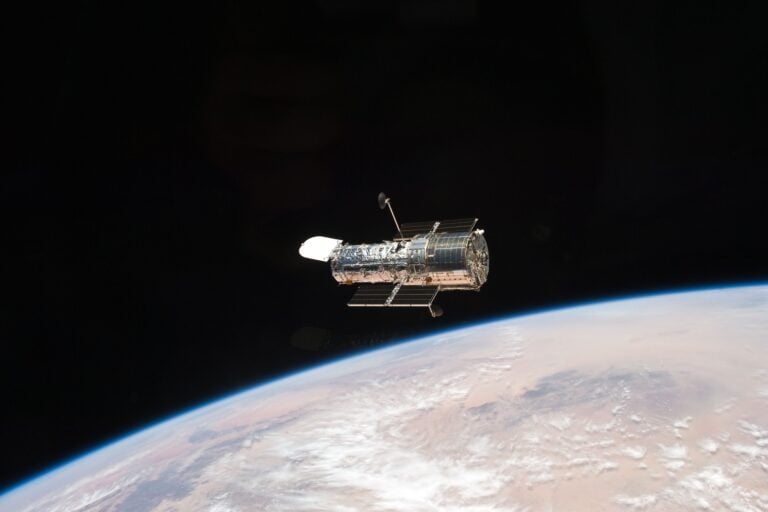
JWST resolved a galaxy from 800 million years after the Big Bang while NEO Surveyor — the only NASA mission Congress has required by statute — remains roughly 30 years behind its city-killer catalog deadline, and the gap is a lesson in what makes a problem fundable inside the same agency

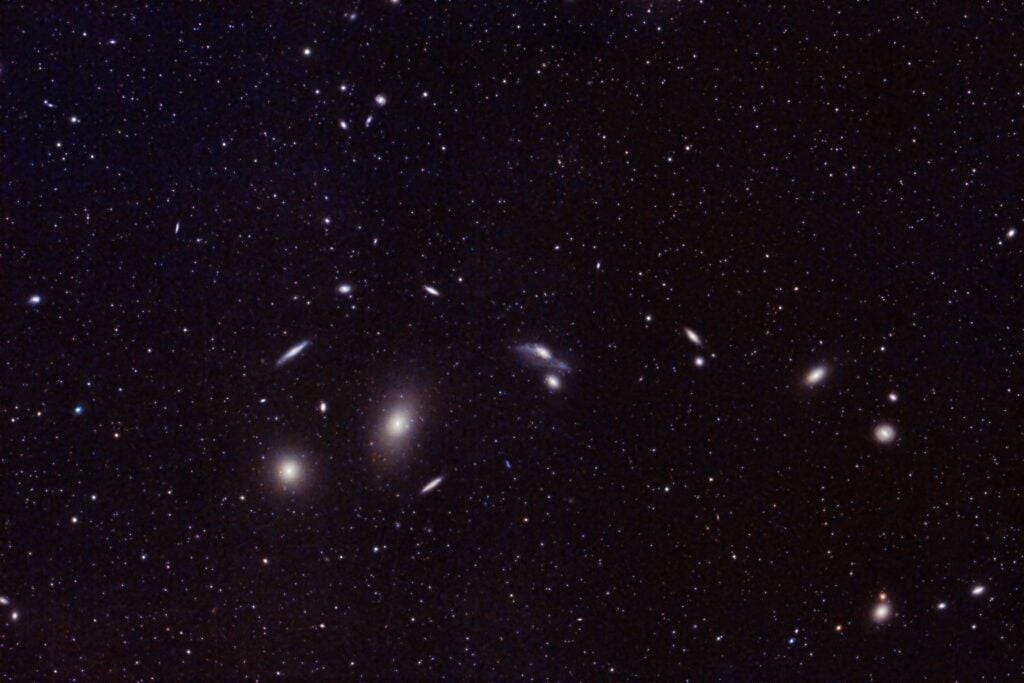
Astronomers using the James Webb Space Telescope have achieved remarkable results in observing ultra-faint galaxies from the early universe, detecting light that has traveled for roughly 13 billion years.

What’s up in

Space

Industry news, exploration, and the engineering of getting humans and machines beyond Earth.

What’s up in

Mind & Meaning

The psychology of ambition, isolation, and meaning under extremes — and what frontier life teaches us about being human.

What’s up in

Science

Physics, climate, planetary science, and the research that shapes how we understand the universe.

About Space Daily

Space, science, and the human side of the frontier. Since 1995.

Space Daily is an independent publication covering three connected beats: the space industry, the science behind it, and the psychology of ambition, isolation, and meaning under extremes. Founded in Tokyo in 1995, we’ve built a thirty-year archive of rigorous reporting on the people, missions, and ideas pushing humanity outward — and on the human dynamics shaped by frontier life. The same ambitions, pressures, and patterns of mind that drive humanity to the stars also shape how we live on Earth. We employ modern AI technologies to support our editorial workflows; every published piece is editorially directed and reviewed.

More about us →