





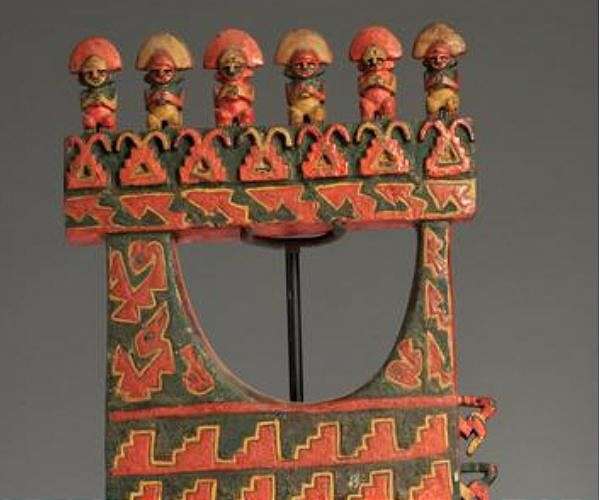
The research, published in PLOS One, examined biochemical signatures in 35 maize samples recovered from burial tombs in the Chincha Valley, a desert region that once supported an estimated 100,000 people. Chemical analyses revealed unusually high nitrogen levels in the maize, far exceeding what local soils could naturally provide, indicating intensive fertilisation with seabird guano sourced from nearby islands.
According to the team, communities from coastal Peru and northern Chile sailed to offshore islands such as the Chincha Islands on rafts to harvest guano. The fertiliser, enriched in nitrogen by the birds' marine diets, allowed farmers to grow maize, one of the Americas' most important staple crops, in large quantities despite harsh, dry conditions where irrigated fields typically lose nutrients quickly.
Dr Bongers said the fertiliser's impact went beyond simple yield gains. The maize surplus supported specialist merchants, farmers and fisherfolk, helping the Chincha people become prominent maritime traders whose influence extended along the Pacific coast. The study suggests that guano, rather than prestige goods like spondylus shells alone, was central to the kingdom's economic strength and regional standing.
The researchers also drew on archaeological imagery that repeatedly links seabirds, fish and sprouting maize in textiles, ceramics, pottery, wall carvings and paintings. These depictions, they argue, show that ancient communities recognised the exceptional value of guano and wove the relationship between marine life and agriculture into their cultural and ritual expressions.
"Seabird guano may seem trivial, yet our study suggests this potent resource could have significantly contributed to sociopolitical and economic change in the Peruvian Andes," Dr Bongers said. He noted that people not only collected guano as fertiliser but appear to have celebrated and protected the ecological connections that sustained it.
Coauthor Dr Emily Milton, a postdoctoral fellow at the Smithsonian Institution in Washington, D.C., said historical documents describing how guano was applied to maize fields were vital for interpreting the chemical data. These records helped place the Chincha evidence within a broader Andean pattern and suggest that intensive soil management using guano in Peru began at least around 800 years ago.
The work also reframes the Chincha Islands themselves as strategic assets. Dr Bongers and colleagues argue that Chincha maritime knowledge and control over these rich guano deposits enhanced the kingdom's leverage in regional politics and trade, particularly in dealings with the highland Inca Empire, which prized maize but lacked both suitable growing environments and seafaring capabilities.
Guano's importance may have influenced diplomatic arrangements between the Chincha and the Inca, who relied on maize for staple foods and ceremonial beer known as chicha. By supplying surplus maize fertilised with island guano, the Chincha could convert ecological expertise into political capital, enabling exchanges of resources and power across ecological zones.
Coauthor Dr Jo Osborn of Texas A and M University said the findings invite a broader reconsideration of how wealth was constructed in the ancient Andes. She argues that the Chincha case shows power emerging from mastery of a complex ecological system, where understanding links between marine and terrestrial environments generated agricultural abundance rather than just precious metals.
The study builds on Dr Bongers' recent research into the nearby Band of Holes, which he has proposed as an ancient marketplace constructed by the Chincha Kingdom. Together, the projects highlight how coastal communities like the Chincha used resources, trade networks and intensive agriculture to expand influence across the region in the centuries before European arrival.
The authors conclude that fertiliser in the form of seabird guano was a cornerstone of this transformation. By boosting maize harvests, sustaining dense populations and empowering merchant groups, guano helped convert a challenging desert coastline into the foundation of one of the most prosperous pre-Inca societies, demonstrating that in ancient Andean cultures, fertiliser could be a source of real power.
Research Report: Seabirds shaped the expansion of pre-Inca society in Peru
Related Links
University of Sydney
Bio Fuel Technology and Application News
| Subscribe Free To Our Daily Newsletters |
| Subscribe Free To Our Daily Newsletters |








