| . |  |
. |
| . | |
. |


 by Brooks Hays Washington DC (SPX) Jun 06, 2018
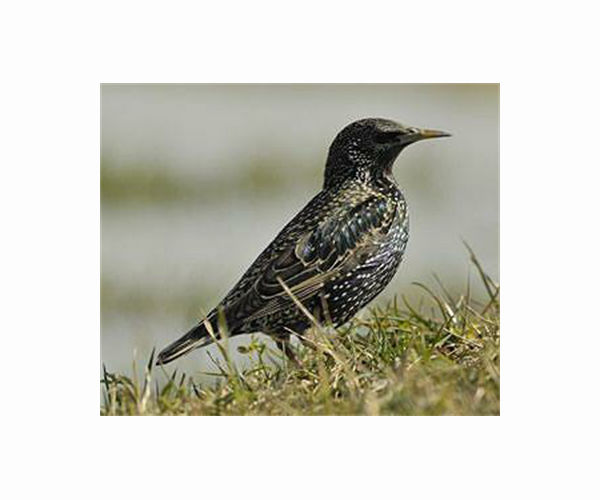
Starlings with aromatic herbs in their nest exhibit improved parenting behaviors, according to a new study by researchers at North Carolina State University. For the study, scientists swapped out 36 natural starling nests for artificial nests. Half of the nests featured dry grasses and a combination of aromatic herbs, including milfoil, hogweed, cow parsley, black elder, goutweed and willow. The other half featured only grasses. Artificial eggs with temperature sensors were added to the each nest's clutch, helping scientists monitor the birds' incubation performance. "Egg temperatures and nest attendance were higher in herb than nonherb nests -- particularly early in the incubation period," ecologist Caren Cooper said in a news release. "In addition, egg temperatures dropped less frequently below critical thresholds in nests that contained herbs, and those parents started their active day earlier." The herbed and non-herbed nests yielded the same percentage of successfully hatched eggs, but chicks from herbed nests showed signs of accelerated development and were quicker to gain body mass after hatching. Though the data suggests the presence of herbs has a positive effect on the health of parents and chicks, researchers aren't sure how or why. "It's possible that one or more of the herbs have pharmacological effects on the parents," said Helga Gwinner, researcher at the Max-Planck Institute for Ornithology in Germany. Some of the herbs starlings choose to decorate their nests with are also used in folk medicine remedies. Several have sedative effects, which could encourage birds to remain on their nests, limiting their egg's exposure to less-than-optimal temperatures. Researchers published their findings this week in the journal Proceedings of the Royal Society of London B.
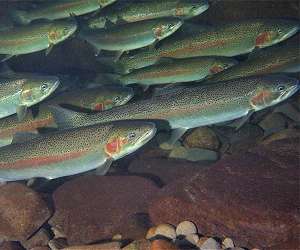
Ocean-migrating trout adapt to freshwater environment in 120 years West Lafayette IN (SPX) Jun 05, 2018 Steelhead trout, a member of the salmon family that live and grow in the Pacific Ocean, genetically adapted to the freshwater environment of Lake Michigan in less than 120 years. Steelhead were intentionally introduced into Lake Michigan in the late 1800s in order to bolster recreational and commercial fisheries. In their native range, which extends from California to Russia, steelhead hatch in freshwater rivers, migrate to the ocean, and return to freshwater to spawn. This migration allows steelh ... read more
|
|||||||||||||
| The content herein, unless otherwise known to be public domain, are Copyright 1995-2026 - SpaceDaily. All websites are published in Australia and are solely subject to Australian law and governed by Fair Use principals for news reporting and research purposes. By using our websites you consent to cookie based advertising. If you do not agree with this then you must stop using the websites from May 25, 2018. Privacy Statement. Additional information can be found here at About Us. |

 del.icio.us
 Digg
Digg Reddit
 Google







