| . |  |
. |
| . | |
. |


 by AFP Staff Writers Madrid (AFP) Oct 4, 2021
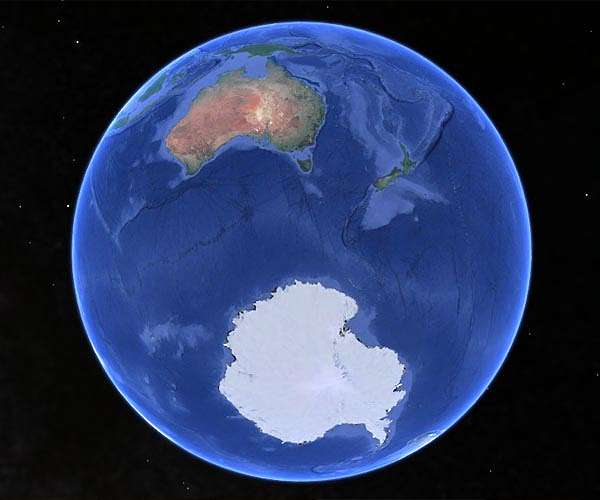
World governments much significantly increase their protection of Antarctica's waters, conservation groups demanded on Monday, 30 years after signing of the so-called Madrid Protocol that protects the icy continent. In a petition, conservationists joined with Antarctica2020 activists to warn that the waters surrounding Antarctica remain "open to commercial fishing which has been expanding in recent decades, threatening large swathes of vulnerable ecosystems and important wildlife habitats". Signed by nearly 1.5 million people, it calls for an extension of the areas where fishing is banned in an initiative led by ocean conservation groups like the Antarctic and Southern Ocean Coalition (ASOC), Blue Nature Alliance, Ocean Unite, OnlyOne, SeaLegacy and The Pew Charitable Trusts. It was presented to Spain's Prime Minister Pedro Sanchez at a conference in the Spanish capital on Monday marking the anniversary of the Madrid Protocol which designated Antarctica as a "natural reserve, devoted to peace and science". Signed on October 4, 1991, the Madrid Protocol bans all mineral extraction on the white continent, and includes measures for the protection of its flora and fauna, the prevention of marine pollution, tourism control and waste management in what was hailed as a major breakthrough in environmental governance. "Currently, only five percent of the Antarctic Ocean is protected, therefore we believe establishing new marine protected areas in sectors such as the Antarctic Peninsula, the Weddell Sea and East Antarctica is crucial to preserve marine biodiversity," Sanchez told a news conference. And he reiterated Spain's commitment and that of its European partners to seeing the establishment of new protected areas at the upcoming annual meeting of the Commission for the Conservation of Antarctic Marine Living Resources (CCAMLR), which regulates fisheries. The CCAMLR, which meets next week, is currently considering the establishment of three new large-scale protected areas which would safeguard almost an extra 4 million square kilometres of ocean from human activities. Antarctica is particularly threatened by global warming, with the continent logging a new record high temperature of 18.3 degrees Celsius (64.9 degrees Fahrenheit) on February 6, 2020, the UN's World Meteorological Organization said in July. Many studies have shown that the melting of western Antarctica's biggest glaciers, which contain enough water to raise the oceans by several metres, appears irreversible. This is one of the "tipping points" identified by scientists as a key element whose substantial modification could drag the climate towards dramatic and irreversible change.
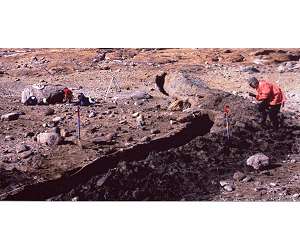
Understanding Antarctic ice historic changes could reveal future changes Tokyo, Japan (SPX) Aug 25, 2021 The Antarctic Ice Sheet, Earth's southern polar ice sheet, has grown and receded and grown again over millions of years. This changing mass influences the planet's climate and sea levels, with historic data recorded in sediment, meltwater and surrounding oceans. However, the remote and difficult nature of the sheet leaves researchers with limited access to collect samples and data that may reveal missing pieces in the ebb and flow of historic climate changes. The results were published on June 14 ... read more
|
|||||||||||||
| The content herein, unless otherwise known to be public domain, are Copyright 1995-2026 - SpaceDaily. All websites are published in Australia and are solely subject to Australian law and governed by Fair Use principals for news reporting and research purposes. By using our websites you consent to cookie based advertising. If you do not agree with this then you must stop using the websites from May 25, 2018. Privacy Statement. Additional information can be found here at About Us. |

 del.icio.us
 Digg
Digg Reddit
 Google







