| . |  |
. |
| . | |
. |


 by Brooks Hays Washington (UPI) Jan 16, 2019
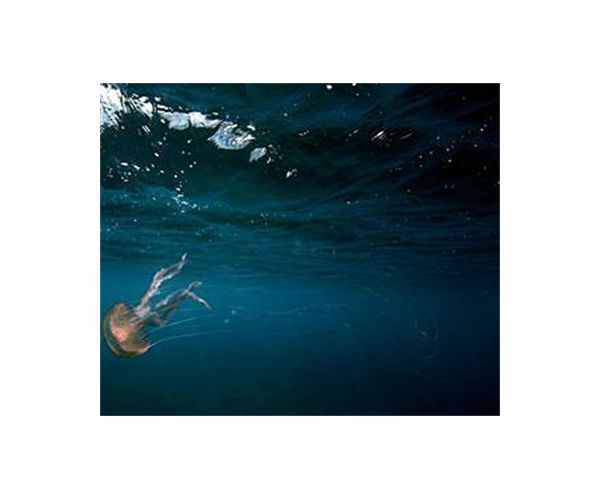
By analyzing the chemical composition of jellyfish caught across a sizable swath of the Atlantic, scientists can map important differences among an array of marine habitats. The analysis technique could offer important insights to ecologists and conservationists -- a new tool for protecting the health of important fisheries. According to a new study published this week in the journal Methods in Ecology and Evolution, chemical signals measured in jellyfish reflect the chemistry, biology and physical processes unique to the region where they were caught. "The chemical differences detected in the jellyfish are also present in other animals throughout the food chain, like seabirds, seals and fishes," Katie St. John Glew, researcher at the University of Southampton, said in a news release. "This means that we can measure the same signals in, for example feathers from seabirds or fresh fish fillets, then match them back to the jellyfish map and work out where the birds have been feeding or where the fish was most likely caught." Chemical maps built by surveying jellyfish can help scientists track the movements of important species and gauge the health of regional food chains. Building a geographical database of chemical signals measured in jellyfish could also help track the origin of commercial seafood and identify instances of fraud. Similar chemical fingerprinting methods are used to track the authenticity of land-based foods. "In our changing political climate, it is likely that the authorities will need new ways to manage our waters so it will be critical to have a better understanding our local marine environment and those animals that live within it," said Southampton researcher Clive Trueman. "Being able to verify where seafood products have been caught may also become essential for protecting our fisheries and combating food fraud in a future with more borders, boundaries and regulations." Scientists have previously used free-floating DNA to map biological activity in marine waters, as well as a variety of mapping techniques to identify conservation priorities.
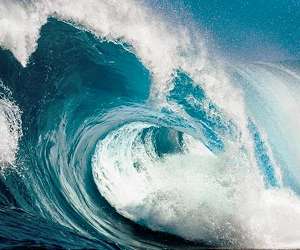
Upper-ocean warming is changing the global wave climate, making waves stronger Santa Cruz CA (SPX) Jan 15, 2019 Sea level rise puts coastal areas at the forefront of the impacts of climate change, but new research shows they face other climate-related threats as well. In a study published January 14 in Nature Communications, researchers report that the energy of ocean waves has been growing globally, and they found a direct association between ocean warming and the increase in wave energy. A wide range of long-term trends and projections carry the fingerprint of climate change, including rising sea levels, ... read more
|
|||||||||||||
| The content herein, unless otherwise known to be public domain, are Copyright 1995-2026 - SpaceDaily. All websites are published in Australia and are solely subject to Australian law and governed by Fair Use principals for news reporting and research purposes. By using our websites you consent to cookie based advertising. If you do not agree with this then you must stop using the websites from May 25, 2018. Privacy Statement. Additional information can be found here at About Us. |

 del.icio.us
 Digg
Digg Reddit
 Google







