| . |  |
. |
| . | |
. |


 by Brooks Hays Washington DC (UPI) Aug 18, 2021
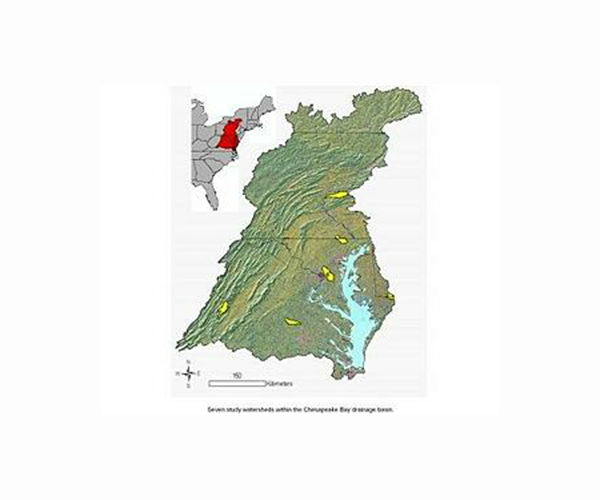
Year-long analysis of an urban stream network in Baltimore suggests pharmaceutical pollution is a persistent problem in the region's freshwater ecosystems. According to the new study, published Wednesday in the journal Environmental Science and Technology, leaky sewage pipes allow thousands of human doses of pharmaceutical drugs to enter the Chesapeake Bay each year. "Pharmaceuticals enter freshwaters through multiple pathways, including effluent from wastewater treatment and septic systems, as well as agricultural runoff," lead study author Megan Fork, a postdoctoral research associate at Cary Institute of Ecosystem Studies, said in a press release. "An important, but often overlooked contributor is aging and faulty wastewater infrastructure, which is common in many older cities." For a year, scientists collected and analyzed water samples from six sites within Baltimore's Gwynns Falls watershed. Because the watershed's streams don't receive any wastewater effluent, researchers could be certain the detected drugs originated from leaky pipes. Scientists screened for 92 different pharmaceutical compounds and identified 37 unique compounds. To calculate annual levels of pharmaceutical pollution throughout the watershed, researchers compared drug concentrations measured at the Gwynns Falls outlet with river discharge rates recorded by the U.S. Geological Survey. Scientists determined that the Gwynns Falls watershed delivers 30,000 adult doses of antidepressants, 1,700 doses of antibiotics and about 30,000 tablets of acetaminophen into Baltimore's Inner Harbor. Though the concentrations of drugs varied from day to day, sample site to sample-site, researchers found pharmaceutical loads were, overall, persistent and ecologically relevant. "We estimate that nearly 1 percent of raw sewage originating in the Gwynns Falls watershed flows into the environment via leaking infrastructure," said Emma Rosi, senior co-author and aquatic ecologist at Cary Institute. "If we extrapolate our calculations to the entire Chesapeake Bay watershed, we estimate that approximately 11.7 billion liters of raw sewage may enter the Bay via leaks every year -- carrying a range of pharmaceutical compounds that can affect aquatic organisms and disrupt ecosystem processes." Many previous studies have shown elevated pharmaceutical concentrations can alter the physiology of freshwater species, including fish and amphibians, potentially triggered ecosystem-wide changes. "Our findings underscore the ubiquity of drugs in freshwaters, and the need to examine and account for all pollution pathways, not just obvious ones like wastewater treatment plant effluent," Fork said.

Hippos die as DR Congo river contaminated with 'toxic' waste Kinshasa (AFP) Aug 13, 2021 Toxic substances emitted in Angola have turned a river red in the Democratic Republic of Congo, the environment minister said on Friday, warning of an "ecological catastrophe" as the pollution kills wildlife including hippos. This "discolouration would be caused by a toxic substance spill by an Angolan factory specialising in industrial diamond mining," DR Congo Enviroment Minister Eve Bazaiba said in a statement. Polluted tributaries are feeding into the Kasai river in the west of the vast cen ... read more
|
|||||||||||||
| The content herein, unless otherwise known to be public domain, are Copyright 1995-2026 - SpaceDaily. All websites are published in Australia and are solely subject to Australian law and governed by Fair Use principals for news reporting and research purposes. By using our websites you consent to cookie based advertising. If you do not agree with this then you must stop using the websites from May 25, 2018. Privacy Statement. Additional information can be found here at About Us. |

 del.icio.us
 Digg
Digg Reddit
 Google







