| . |  |
. |
| . | |
. |


 by Ed Adamczyk Washington DC (UPI) Aug 07, 2020
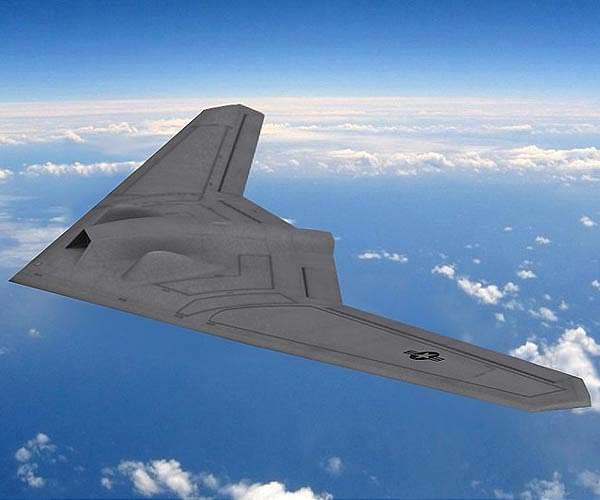
The U.S. Air Force this week concluded a test of tactics involving use of its highly classified RQ-170 surveillance drone with other stealth aircraft. The exercise, held Aug. 4 to Aug. 6 at Nellis Air Base, Nev., also included an Air Force B-2 bomber and F-22 and F-15 fighter planes, as well as the U.S. Navy's E/A-18G Growler electronic warfare plane, according to officials. The pairing of fourth- and fifth-generation aircraft with the drone was a simulation of electronic attack missions -- the use of electromagnetic energy to destroy enemy combat capability -- using the more advanced F-35, as anti-air defense cover. The first-of-its kind exercise used the more advanced F-35s as critical anti-air defense cover and focused on stealthy penetration into denied areas, suppression and destruction of enemy air defenses, and electronic attack tactics, officials said Thursday after the exercise. The Large Force Test Event was part of an effort to develop solutions to Tactics Improvement Proposals regarded by the Air Force as priorities. The TIPs under consideration this week focused on tandem capabilities of fourth- and fifth-generation aircraft and freedom to maneuver in contested battlespaces. "An event of this size and scope must be heavily supported by Air Force operational leaders, and this LFTE was no exception,"Col. Bill Creeden, commander, U.S.A.F. 53rd Test and Evaluation Group, said in a statement. "The investment and trust in our team allowed the 53 Wing to evaluate the interoperability of leading-edge capabilities and develop TTPs [tactics, techniques and procedures] that will ultimately strengthen our nation's air dominance."
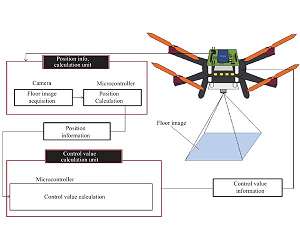
Image processing algorithm allows indoor drones to fly autonomously Beijing, China (SPX) Aug 03, 2020 A research team from Japan has developed a single-camera machine vision algorithm, making it possible for lightweight hovering indoor robots to guide themselves by identifying and interpreting reference points on a tiled floor. The technology opens the door to a new breed of functional, low-cost drones with potentially wide-ranging uses. The team, led by Chinthaka Premachandra, an Associate Professor in the Department of Electronic Engineering at Shibaura Institute of Technology, published its fin ... read more
|
|||||||||||||
| The content herein, unless otherwise known to be public domain, are Copyright 1995-2026 - SpaceDaily. All websites are published in Australia and are solely subject to Australian law and governed by Fair Use principals for news reporting and research purposes. By using our websites you consent to cookie based advertising. If you do not agree with this then you must stop using the websites from May 25, 2018. Privacy Statement. Additional information can be found here at About Us. |

 del.icio.us
 Digg
Digg Reddit
 Google







