| . |  |
. |
| . | |
. |


 by Brooks Hays Washington (UPI) Aug 08, 2018
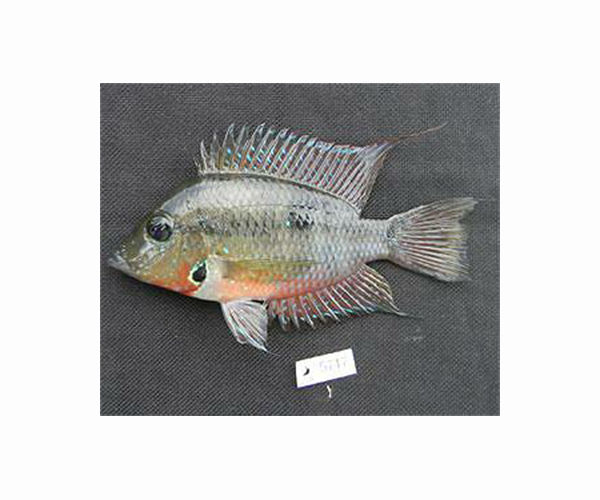
New research confirms hybridization is a boon for evolution. Similar species sharing habitat sometimes mate. If they're genetically compatible, these species can spawn hybrids. According to hybrid swarm theory, interbreeding among hybrid species and parent species can yield divergent populations. Until now, scientists have struggled to study and confirm the theory in the wild. Enter cichlid fish, a diverse fish family. To better understand hybrid swarm theory, scientists analyzed cichlid living in East Africa's Lake Tanganyika ecosystem. There are 1,900 cichlid species worldwide, and several hundred are found in Tanganyika. Scientists collected DNA samples from dozens of species, and used advanced genomic sequencing methods to analyze 500 different fish genes. By tracing genes linked with different attributes across different lineages, scientists were able to determine factors driving species radiation, speciation, on the cichlid family tree. The data, detailed this week in the journal Nature Communications, showed hybridization between local lineages and colonizer lineages accelerated the process of ecological innovation, or specializing, and triggered speciation. Researchers found the flow of some genes across lineages was more likely to yield hybridization and new species, including genes controlling coloration and jaw structure. "It is those characteristics that are exposed to selection that are responsible for the development of new species," Christian Sturmbauer, researcher at the University of Graz in Austria, said in a news release. Scientists have previously used molecular clock analysis to chronicle the history of radiation among Lake Tanganyika cichlids, but the results remained at odds with the geological history of East Africa. The latest findings allowed researchers to match up the timing of cichlid diversification with major geological events, like the continental split of southern Gondwana and the sinking of the East African Rift Valley. "These findings may help us understand, for example, ongoing changes induced by climate change in the animal kingdom," said Sturmbauer.
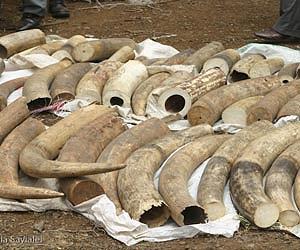
WWF uses fake Singapore ivory store in awareness campaign Singapore (AFP) Aug 8, 2018 An apparent online ivory store which caused a furore in Singapore has been exposed as a hoax set up by environmental group WWF to highlight perceived shortcomings in local laws. The outlet called Ivory Lane purportedly offered items including earrings and necklaces for sale and had a well-produced website, including a price list and images of women modelling the jewellery. The hoax shop, which appeared online last week, insisted its products were made from ivory obtained before 1990, when an int ... read more
|
|||||||||||||
| The content herein, unless otherwise known to be public domain, are Copyright 1995-2026 - SpaceDaily. All websites are published in Australia and are solely subject to Australian law and governed by Fair Use principals for news reporting and research purposes. By using our websites you consent to cookie based advertising. If you do not agree with this then you must stop using the websites from May 25, 2018. Privacy Statement. Additional information can be found here at About Us. |

 del.icio.us
 Digg
Digg Reddit
 Google







