| . |  |
. |
| . | |
. |


 by Staff Writers Townsville, Australia (SPX) Jun 18, 2018
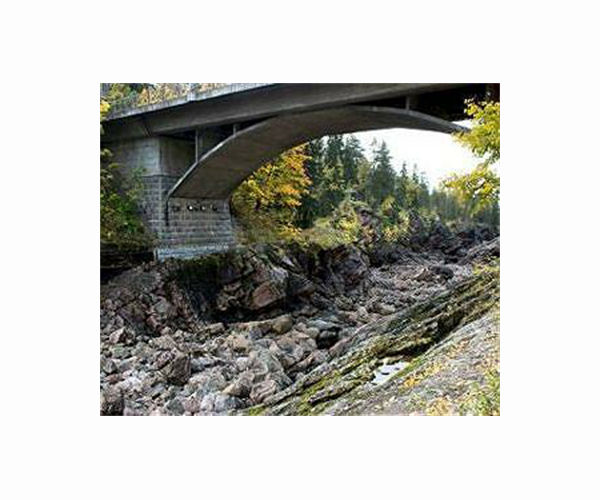
A massive world-wide study of dry riverbeds has found they're contributing more carbon emissions than previously thought, and this could help scientists better understand how to fight climate change. Dr Nathan Waltham from the Tropical Water and Aquatic Eco-systems Research Centre (TropWATER) and James Cook University in Australia, joined scientists from 22 other countries who looked at 212 dry riverbeds on every continent on earth. He said the contribution of intermittent rivers and streams to the process of carbon cycling - the process by which carbon is circulated around the ecosystem - is largely ignored. "There is a substantial amount of plant litter that accumulates in dry riverbeds and when they flow again this material can breakdown rapidly. We've now estimated the potential short-term CO2 emissions during these rewetting events." "We believe that a single pulse of CO2 emission upon litter rewetting contributes up to 10% of the daily CO2 emission compared to perennial rivers and streams, particularly in temperate climates. What this means is that the contributions of intermittent rivers and streams should be included in global carbon-cycling assessments," said Dr Waltham. The scientists found that aridity, surrounding vegetation, channel width and dry-phase duration explained most variability in the quantity and decomposability of plant litter. He said that the new data shows the contribution of CO2 from intermittent rivers and streams is higher than previously thought. "Taking rivers and streams that only flow at certain times into account would improve estimates of the consequences of global climate change on carbon cycling - given that the extent of these rivers and streams will increase, and periods of drying will become more prolonged in many regions," said Dr Waltham. Intermittent rivers, as the name suggests, sometimes stop flowing and can dry completely. Although far less studied than permanent rivers, they could represent half of the world's river network and, in response to climate change and increasing water demands, may come to dominate the landscape in some regions.

Boring down on boron Thuwal, Saudi Arabia (SPX) Jun 15, 2018 High-temperature desalination technologies can efficiently reduce the concentrations of a chemical element in seawater to make it an effective substitute for fresh water. Research that has investigated how the element boron evaporates could help produce higher-quality drinking and irrigation water. Boron is a trace mineral found in concentrations of 0.001-100 milligrams per litre in ground and surface freshwater, but in higher concentrations in seawater (averaging 4.5 mg/l). Exposure to high doses ... read more
|
|||||||||||||
| The content herein, unless otherwise known to be public domain, are Copyright 1995-2026 - SpaceDaily. All websites are published in Australia and are solely subject to Australian law and governed by Fair Use principals for news reporting and research purposes. By using our websites you consent to cookie based advertising. If you do not agree with this then you must stop using the websites from May 25, 2018. Privacy Statement. Additional information can be found here at About Us. |

 del.icio.us
 Digg
Digg Reddit
 Google







