|
 |
 |
 |
 |
 |
 |
 |
 |
 |

| . |  |
. |
KVH Introduces Embedded TracVision Automotive Sat TV System For OEM Apps
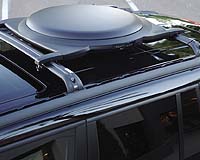
Middletown RI (SPX) Nov 02, 2005 KVH Industries has brought live satellite TV programming one step closer to being a factory-installed reality when it unveiled an embedded automotive TracVision system Tuesday at the Specialty Equipment Market Association (SEMA) trade show in Las Vegas, Nevada. Using the same patented hybrid phased-array antenna technology found in the aftermarket TracVision A5, the new embedded automotive TracVision system provides in-motion reception of the DIRECTV TOTAL CHOICE MOBILE satellite TV programming package on open roads throughout the United States. To achieve its ultra-low profile, the embedded TracVision is installed within the vehicle's headliner and its sleek cover remains hidden below the level of the roof rack, making it the lowest profile automotive satellite TV system available. The system is intended to support volume OEM and special program vehicle applications exclusively and will not be available for aftermarket purchase. "The embedded TracVision system is the latest step in our efforts to expand our award-winning and consumer-proven TracVision family beyond the automotive aftermarket and into the support of OEM applications in the near-term," declared Martin Kits van Heyningen, KVH's president and chief executive officer. "We've received very positive feedback from automakers following demonstrations of the limo-based prototype we unveiled in cooperation with Cadillac in March 2005 as well as initial evaluations of a number of automotive beta units that we provided to OEMs for initial evaluations. Based on our progress and the feedback to date, we are now ready to move ahead and begin supporting factory integration of mobile satellite TV systems." Making the embedded automotive TracVision system ready for factory installation will take time and close cooperation between KVH and its OEM customers, explained Robert Riedford, KVH's director of business development for satellite products. "Due to the wide range of vehicle roof designs, environmental requirements, and performance standards, there is no such thing as a generic, 'one-size-fits-all' in-roof satellite TV solution. We intend to work with OEM customers to define the unique specifications and requirements necessary to tailor the embedded TracVision to their specific vehicle applications." The embedded automotive TracVision is based on the same low-profile antenna technology used in the award-winning TracVision A5, which has been available in the aftermarket for more than two years at more than 800 retail locations around the United States. Earlier this year, Cadillac announced that it had approved the TracVision A5 as an aftermarket accessory to be sold through its dealers nationwide, and Avis Rent a Car is offering the TracVision A5 and DIRECTV service on Hummer H3s based in Phoenix, Arizona. Passenger entertainment is now among the most popular automotive accessories on the market today, with more than one-third of 2004 model year SUVs and minivans sold in the U.S. equipped with in-vehicle video screens, according to J.D. Power and Associates. Industry analyst Frost & Sullivan projects that by 2011, more than 3 million vehicles will be equipped with mobile satellite TV systems. Related Links KVH's TracVision SpaceDaily Search SpaceDaily Subscribe To SpaceDaily Express
 In-flight Demonstration Of Innovative Combined Antenna/Solar Array
 Paris (ESA) Nov 01, 2005
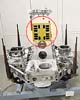
In-flight testing of the results of ESA-funded research into and development of combined solar arrays and antennas commenced on 27 October, when an experimental device was launched into low Earth orbit. |
|
|

| The content herein, unless otherwise known to be public domain, are Copyright 1995-2006 - SpaceDaily.AFP and UPI Wire Stories are copyright Agence France-Presse and United Press International. ESA PortalReports are copyright European Space Agency. All NASA sourced material is public domain. Additionalcopyrights may apply in whole or part to other bona fide parties. Advertising does not imply endorsement,agreement or approval of any opinions, statements or information provided by SpaceDaily on any Web page published or hosted by SpaceDaily. Privacy Statement |