|
 |
 |
 |
 |
 |
 |
 |
 |
 |

| . |  |
. |
Brazilian Satellite Undergoes Environmental Tests
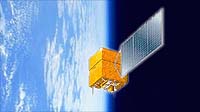
Rio De Janeiro, Brazil (XNA) Feb 02, 2007 Brazil's National Institute of Space Research (INPE) said on Wednesday that CBERS-2B, the third satellite to be launched in cooperation with China, is being assembled, integrated and tested. From Monday on, the satellite will undergo electromagnetic interference tests, as well as tests to detect leaks in the propelling system, and to measure mass, vibration and acoustics, the INPE said. The institute noted that environmental tests are fundamental, as it will not be possible to maintain the equipment once the satellite is launched into orbit. The INPE conducted electric tests on the satellite in the past three months. The satellite is basically comprised of two modules -- one equipped with cameras, the other with all the structure necessary for its self-maintenance. It also has a solar panel responsible for energy supply. CBERS-2B is practically a replication of CBERS-2, which has been in orbit and generating images since October 2003. The new satellite will be launched from a platform in China in 2007, on a date to be set at a meeting of representatives of the two countries in March. Source: Xinhua News Agency Related Links Making money out of watching earth from space today
 Canada And US Launch Satellite Mapping Project Of North America
 Ottawa (AFP) Jan 31, 2007
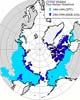
Canada and the United States have launched a satellite mapping project of North America to better monitor biodiversity and climate change in the region, Natural Resources Canada said Wednesday. "Using infrared, radar relief and other remote-sensing techniques, the partnership will produce integrated information that will help natural resources managers better assess the health of landscapes, cross-border wildland fire risks, changes in biodiversity and the effects of climate change on permafrost," the ministry said in a statement. |
|
|

| The content herein, unless otherwise known to be public domain, are Copyright 1995-2006 - SpaceDaily.AFP and UPI Wire Stories are copyright Agence France-Presse and United Press International. ESA PortalReports are copyright European Space Agency. All NASA sourced material is public domain. Additionalcopyrights may apply in whole or part to other bona fide parties. Advertising does not imply endorsement,agreement or approval of any opinions, statements or information provided by SpaceDaily on any Web page published or hosted by SpaceDaily. Privacy Statement |