| . |  |
. |
| . | |
. |


 by Staff Writers Okanagan, Canada (SPX) Jul 07, 2017
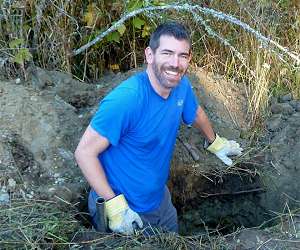
As Canada's vast boreal and tundra ecosystems experience dramatic warming due to climate change, trees are rapidly spreading north. New research from UBC's Okanagan Campus suggests some of these trees could be getting help from a surprising source: fungi that have lain dormant underground for thousands of years. "The idea that long-dormant, symbiotic fungi could help trees migrate during periods of rapid climate change has been around for decades, but no one had taken it seriously enough to investigate," says the study's co-author Jason Pither, associate professor of biology at UBC Okanagan. "Could fungi actually remain dormant and viable for thousands of years and be resurrected by plants growing today? Our research suggests it's possible." In collaboration with Brian Pickles, a former UBC postdoctoral researcher now lecturer at the University of Reading in the UK, Pither sifted through research from around the world and across many different disciplines. They found that all the key ingredients to allow this to happen were there. For example, some common types of fungi produce spores with characteristics that should allow them to survive over extremely long periods of time, especially in cold environments, such as those found in Canada's vast permafrost regions. While it may seem farfetched to some, Pither says this "paleosymbiosis hypothesis" deserves serious consideration. If upheld, the implications could be significant. "Fungi that were active and successful during past climate conditions could help Canada's forests withstand the stresses of modern climate change." The study appears in the June 2017 issue of FEMS Microbiology Ecology, and was conducted with financial support from the Natural Sciences and Engineering Research Council of Canada (Discovery Grants program).
 Slow-growing ponderosas survive mountain pine beetle outbreaks
Missoula MT (SPX) Jul 03, 2017 Slow-growing ponderosa pines may have a better chance of surviving mountain pine beetle outbreaks in western Montana as climate change increases the frequency of drought and insect pests, according to new research published by a team of University of Montana scientists. The team of researchers, led by UM biological sciences Professor Anna Sala, published their findings in the journal Proce ... read more Related Links University of British Columbia Okanagan campus Forestry News - Global and Local News, Science and Application

|
|||||||||||||
| The content herein, unless otherwise known to be public domain, are Copyright 1995-2026 - SpaceDaily. All websites are published in Australia and are solely subject to Australian law and governed by Fair Use principals for news reporting and research purposes. By using our websites you consent to cookie based advertising. If you do not agree with this then you must stop using the websites from May 25, 2018. Privacy Statement. Additional information can be found here at About Us. |

 del.icio.us
 Digg
Digg Reddit
 Google






