| . |  |
. |
| . | |
. |


 By Philippe BERNES-LASSERRE Chizďż˝, France (AFP) Oct 19, 2018
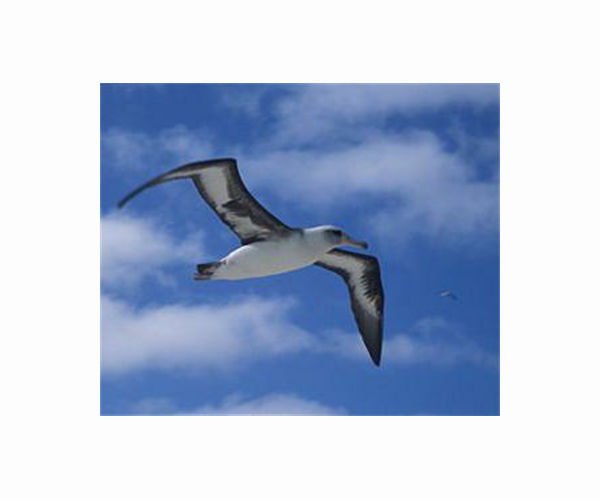
Fishermen illegally trawling the Indian Ocean might soon find they have more to worry about than the proverbial albatross around their neck -- real bad luck might now lurk in the form of one of the birds spying on them from the sky. A scientific programme, designed to study the feathered giants of the air, might also help identify poaching fishing vessels, according to the Chize Biological Study Centre, a French research body which seeks to help preserve the endangered bird species. Between November and March, 150 albatrosses, from the remote French southern Indian Ocean islands of Crozet, Kerguelen and Amsterdam, will be equiped with tiny beacons which will automatically detect radar signals put out by ships they meet at sea. The programme known as "Ocean sentinel" and funded by the Council of Europe was first tested In South Africa early this year, One of the main threats to the birds comes from commercial longline fishing as albatrosses seeking fish get hooked on the lines and drown, according to Henry Weimerskirch, director of research at the French centre. The International Union for the Conservation of Nature says 18 of the 22 albatross species are threatened, some with extinction. The beacons, weighing 70 grams (2.4 ounces) and built in cooperation with New Zealand, will be fitted to the back of the birds, thereby allowing researchers to follow them and analyse their feeding habits. But they will also pick up radar emissions as they pass over ships. Vessels intent on illegal fishing turn off their automatic identification system (AIS) when entering off-limit fishing grounds, so cutting themselves off from automatic satellite tracking. But they still rely on low-level radar emissions for safety reasons and it is these that the airborne equipment will be able to pick up. "Half the boats we detected (during tests) did not have their AIS switched on," said Weimerskirch. With an albatross picking up signals from five kilometres (3 miles) away "we can localise a boat within half an hour of contact", and if its seeking to avoid detection pass the information on to authorities "for possible interception," he added. Ocean Sentinel is also expected to be tested next year in New Zealand and in the Hawaiian islands.
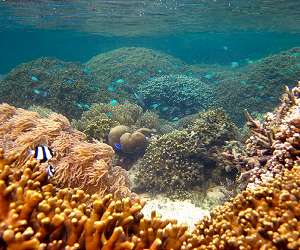
Higher temperatures could help protect coral reefs New York NY (SPX) Oct 19, 2018 A new study in the journal Behavioral Ecology, published by Oxford University Press, suggests that higher water temperature, which increases the aggressiveness of some fish, could lead to better protection of some coral. In the face of global warming, recent years have seen an increasing number of studies predicting the future of corals. It is well established that higher water temperatures lead many corals to die. Over the past century, global temperature has increased by 1F. Meanwhile, research ... read more
|
|||||||||||||
| The content herein, unless otherwise known to be public domain, are Copyright 1995-2026 - SpaceDaily. All websites are published in Australia and are solely subject to Australian law and governed by Fair Use principals for news reporting and research purposes. By using our websites you consent to cookie based advertising. If you do not agree with this then you must stop using the websites from May 25, 2018. Privacy Statement. Additional information can be found here at About Us. |

 del.icio.us
 Digg
Digg Reddit
 Google







