| . |  |
. |
| . | |
. |


 by Staff Writers Copenhagen (AFP) Nov 5, 2020
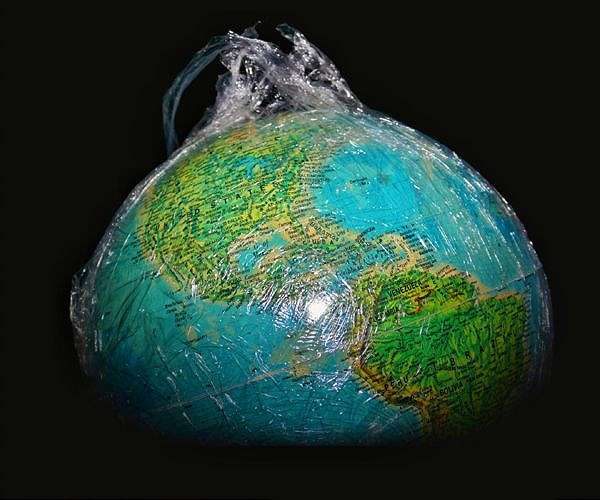
Coronavirus lockdowns in Europe have led to some environmental improvements such as better air quality and lower carbon emissions, but they are temporary and coupled with a surge in single-use plastic, the European Environment Agency (EEA) said Thursday. The pandemic is ravaging Europe, which has now become the global region with the most Covid-19 infections, and governments in Britain, France, Italy and elsewhere are ramping up measures to stop the spread. The Copenhagen-based EEA said in a statement that lockdowns in European countries "may have some direct, short-term, positive impacts on our environment, especially in terms of emissions and air quality, although these are likely to be temporary." The EU agency said its data showed that the concentration of nitrogen dioxide (NO2), a gas emitted mainly from vehicles which can cause inflammation of the respiratory system, fell sharply in countries where lockdowns were imposed in the spring of 2020. The concentration of NO2 fell by 61 percent in Spain, 52 in France and 48 percent in Italy, all countries which had strict lockdowns, the EEA said. Noise pollution also fell significantly. But the pandemic has also brought about a significant spike in plastic consumption, as demand for protective gear like masks, gloves and hand sanitiser soared. Restaurants forced to only offer takeaway have used single-use plastic containers, while increased online shopping has also contributed to the problem. "The upsurge in demand for these items may challenge EU efforts to curb plastic pollution and move towards a more sustainable and circular plastics system," the statement said. The pandemic has also led to a sharp drop in oil prices, making it cheaper for manufacturers to use oil rather than recycled material to make plastic, it added.
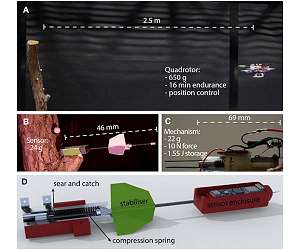
Drones that patrol forests could monitor environmental and ecological changes London, UK (SPX) Nov 04, 2020 Sensors for forest monitoring are already used to track changes in temperature, humidity and light, as well as the movements of animals and insects through their habitat. They also help to detect and monitor forest fires and can provide valuable data on how climate change and other human activities are impacting the natural world. However, placing these sensors can prove difficult in large, tall forests, and climbing trees to place them poses its own risks. Now, researchers at Imperial Colle ... read more
|
|||||||||||||
| The content herein, unless otherwise known to be public domain, are Copyright 1995-2026 - SpaceDaily. All websites are published in Australia and are solely subject to Australian law and governed by Fair Use principals for news reporting and research purposes. By using our websites you consent to cookie based advertising. If you do not agree with this then you must stop using the websites from May 25, 2018. Privacy Statement. Additional information can be found here at About Us. |

 del.icio.us
 Digg
Digg Reddit
 Google







