



|
|
|
|
|
|
|
|
|
|
|


| . |  |
. |
|
|
|
 by Staff Writers Lakewood, N.J. (UPI) Sep 3, 2008
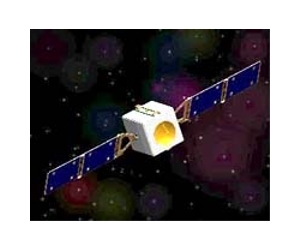
U.S. researchers say they have developed a thin film designed to protect small spacecraft from temperature extremes, corrosion and micrometeor impacts. Scientists from the Ashwin-Ushas Corp. of New Jersey, led by Prasanna Chandrasekhar, conducted the research with the National Aeronautics and Space Administration. The scientists said their goal was to create ways of protecting smaller spacecraft weighing between 10 and 50 pounds. NASA said such low-cost small vehicles will comprise the majority of spacecraft in the future. Chandrasekhar and his team designed what they term a "thin-film variable emittance electrochromic device" -- a flexible film that changes color when given an electrical charge. Applied to micro-spacecraft, it switches color from light to dark based on exposure to harsh sunlight or extreme darkness, thereby protecting the spacecraft from extreme heat or cold, and from extremes in infrared radiation as well. The researchers said the film also has a protective layer of germanium silicon oxides to protect a spacecraft from the corrosive effects of atomic oxygen and from micrometeor impacts. The film was presented recently in Philadelphia during a national meeting of the American Chemical Society.
Related Links Space Technology News - Applications and Research
|
|
|
| The content herein, unless otherwise known to be public domain, are Copyright 1995-2014 - Space Media Network. AFP, UPI and IANS news wire stories are copyright Agence France-Presse, United Press International and Indo-Asia News Service. ESA Portal Reports are copyright European Space Agency. All NASA sourced material is public domain. Additional copyrights may apply in whole or part to other bona fide parties. Advertising does not imply endorsement,agreement or approval of any opinions, statements or information provided by Space Media Network on any Web page published or hosted by Space Media Network. Privacy Statement |
 del.icio.us
 Digg
Digg Reddit
 Google