


|
|
|
|
|
|
|
|
|
|
|


| . |  |
. |
|
|
|
 by Staff Writers Legaspi, Philippines (AFP) Dec 27, 2009
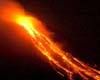
The Philippine government's chief volcanologist Sunday warned against complacency over an eruption at Mayon after signs of unrest at the volcano began to diminish at the weekend. "Do not become complacent. The people only see what is coming out of the crater and that is often cloud covered. It is not just the observed phenomenon that matters. We also look at the quakes, the gas emitted and the swelling of the volcano," said Renato Solidum. "We are telling the people, 'do not just count the number of quakes or what you see from the crater.' It may look calm but it is not calm. It can still explode," he warned in a radio broadcast. "You might think it is taking a break but the volcano is still swelling," he said after the restive volcano emitted fewer ash emissions on Sunday than over previous days. He said that while the amount of lava trickling out of the volcano had fallen, the magma inside Mayon was still rising, possibly indicating that the volcano was clogged. Mayon, the Philippines' most active volcano, located about 330 kilometres (200 miles) southeast of Manila, increased its activity earlier this month, prompting the government to put it under alert level four -- meaning that an explosive eruption could happen any day now. Residents living in an eight-kilometre danger zone around Mayon have been evacuated despite some refusing to leave their farms. More than 47,500 people have been taken to 29 evacuation centres to protect them from a possible eruption, although some have been known to defy army security measures to sneak back to their homes for supplies. "Soldiers are continuously intensifying checkpoint operations and security patrols within the danger zones," said army spokesman Captain Razaleigh Bansawan. Bansawan said the military searched for a foreign tourist who entered the danger zone without permission in a rented all-terrain vehicle, before learning that the foreigner had later left the area. Solidum warned that the volcano could stay active for as long as two months, similar to its last eruption in 2006, when it simmered for months, dumping tonnes of ash on its slopes. No one was killed by the eruption itself but in December of that year a passing typhoon dislodged the ash from Mayon's slopes, turning it into a fast-moving mudflow that covered villages and killed about a thousand people. The 2,460-metre (8,070-foot) volcano, which is famed for its near-perfect cone, has erupted 48 times in recorded history. In 1814, more than 1,200 people were killed as lava buried the town of Cagsawa.
Related Links Bringing Order To A World Of Disasters When the Earth Quakes A world of storm and tempest
|
|
|
| The content herein, unless otherwise known to be public domain, are Copyright 1995-2014 - Space Media Network. AFP, UPI and IANS news wire stories are copyright Agence France-Presse, United Press International and Indo-Asia News Service. ESA Portal Reports are copyright European Space Agency. All NASA sourced material is public domain. Additional copyrights may apply in whole or part to other bona fide parties. Advertising does not imply endorsement,agreement or approval of any opinions, statements or information provided by Space Media Network on any Web page published or hosted by Space Media Network. Privacy Statement |
 del.icio.us
 Digg
Digg Reddit
 Google