|
 |
 |
 |
 |
 |
 |
 |
 |
 |

| . |  |
. |
AFWA Monitors Record Solar Flare
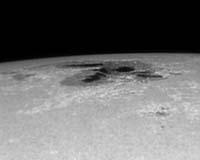
A large group of sunspots is being tracked by Air Force Weather Agency space weather technicians here. Over the next few days, weather technicians are forecasting moderate to extreme solar flares resulting in possible geomagnetic storms. Heightened solar activity creates peaks in solar emissions that travel to the Earth and interact with the atmosphere. On Earth, electromagnetic signals can be directly affected by the interference of atmospheric disturbances caused by solar emissions. These disturbances influence high-frequency communications, satellite UHF communications, and Global Positioning System navigation signals. �Anyone trying to talk on HF radios, like our military members involved in the Hurricane relief, may have difficulty communicating,� said Bryan Davis, chief forecaster at the space weather branch. Throughout the next couple of weeks, there will be periods when high-frequency communication may not work, Mr. Davis said. Satellites and other equipment in orbit above the protective levels of the atmosphere are vulnerable to electrical anomalies and a degradation of components because of solar radiation. There can also be increased drag on satellites in low-Earth orbits. Finally, those who track satellites and other objects in orbit can potentially lose their targets because of these changes in the atmosphere. The geomagnetic storms may cause the aurora borealis to be pushed toward the equator, allowing people in the U.S. to have a better viewing of the luminous phenomena. Related Links SpaceDaily Search SpaceDaily Subscribe To SpaceDaily Express  Huge Solar Flare Spotted
 Greenbelt MD (SPX) Sep 09, 2005
Scientists are currently tracking a very large flare that occurred on the Sun around 1:40 pm EDT (17:40 UT). The current estimate of the size of the explosion is X-17; that would place the flare as the fifth largest ever observed.
|
|
| |||||||||
| The content herein, unless otherwise known to be public domain, are Copyright 1995-2016 - Space Media Network. All websites are published in Australia and are solely subject to Australian law and governed by Fair Use principals for news reporting and research purposes. AFP, UPI and IANS news wire stories are copyright Agence France-Presse, United Press International and Indo-Asia News Service. ESA news reports are copyright European Space Agency. All NASA sourced material is public domain. Additional copyrights may apply in whole or part to other bona fide parties. Advertising does not imply endorsement, agreement or approval of any opinions, statements or information provided by Space Media Network on any Web page published or hosted by Space Media Network. Privacy Statement All images and articles appearing on Space Media Network have been edited or digitally altered in some way. Any requests to remove copyright material will be acted upon in a timely and appropriate manner. Any attempt to extort money from Space Media Network will be ignored and reported to Australian Law Enforcement Agencies as a potential case of financial fraud involving the use of a telephonic carriage device or postal service. |