
Thirty years of coverage
from the frontier.
Space Daily has been reporting since 1995. Browse the full archive below by year and month, or jump to a beat: Space, Science, Mind & Meaning.
Recent
All articles →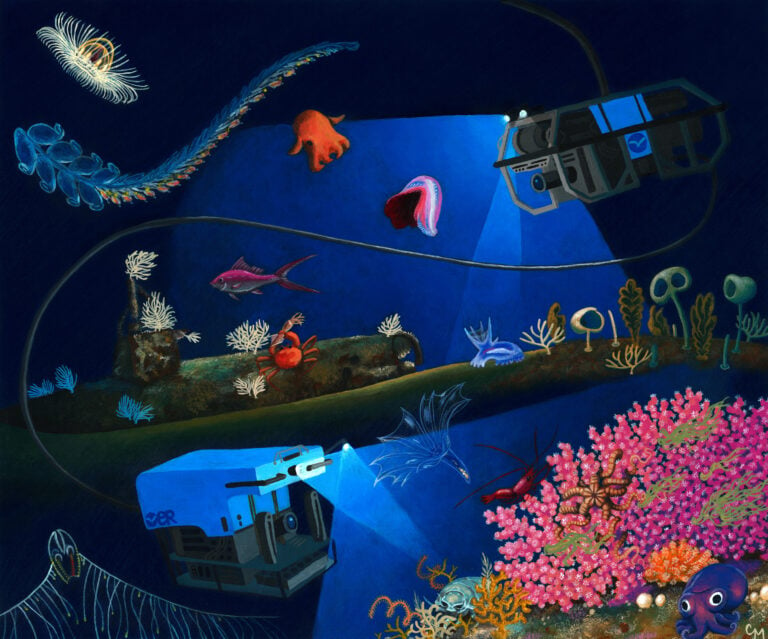
Scientists estimate that even with 1,000 deep-sea vehicles each visually surveying about three square kilometres of seafloor per year—the current average rate—it would take more than 100,000 years to visually observe the entire deep seafloor once. So far, humans have directly seen less than 0.001% of it.
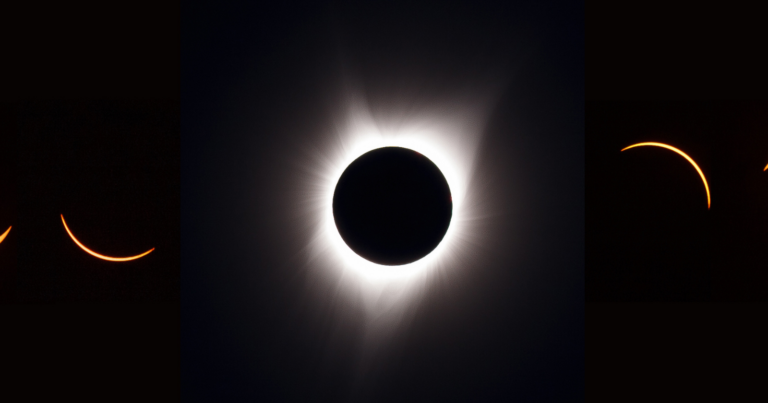
During the total solar eclipse of July 8, 1842, an astronomer watched the ground itself start to ripple — thin bands of light chasing each other across open earth in the last seconds before the sky went fully dark, and 184 years later, nobody has proven why
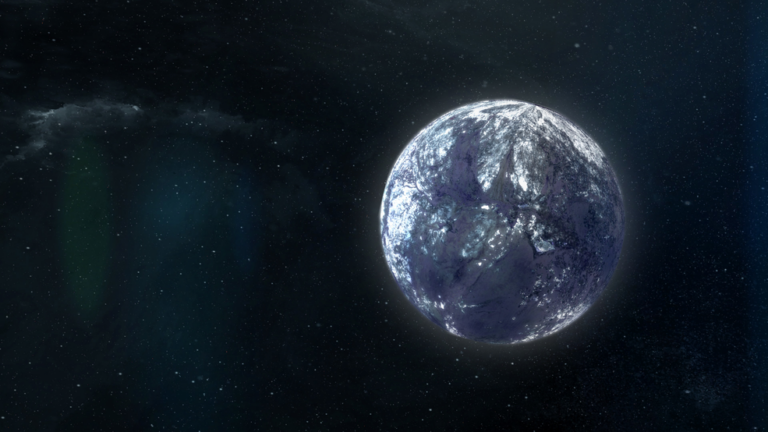
NASA researchers now estimate the Milky Way holds 20 times more rogue planets than stars — trillions of worlds wandering alone in the dark, untethered to any sun, some potentially the size of Earth
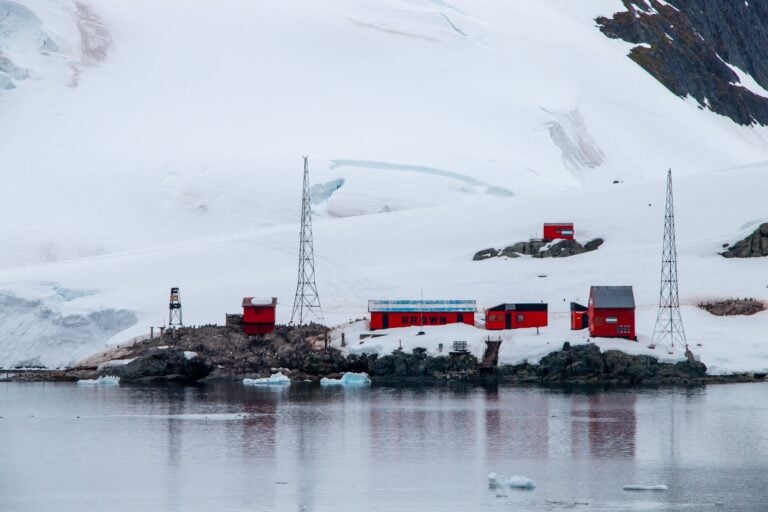
Spending more time near crewmates in extreme isolation doesn't necessarily make people feel better — a 10-month Antarctic study published in May 2026 found that greater physical proximity was linked to more conflict, mistrust and poorer performance.