

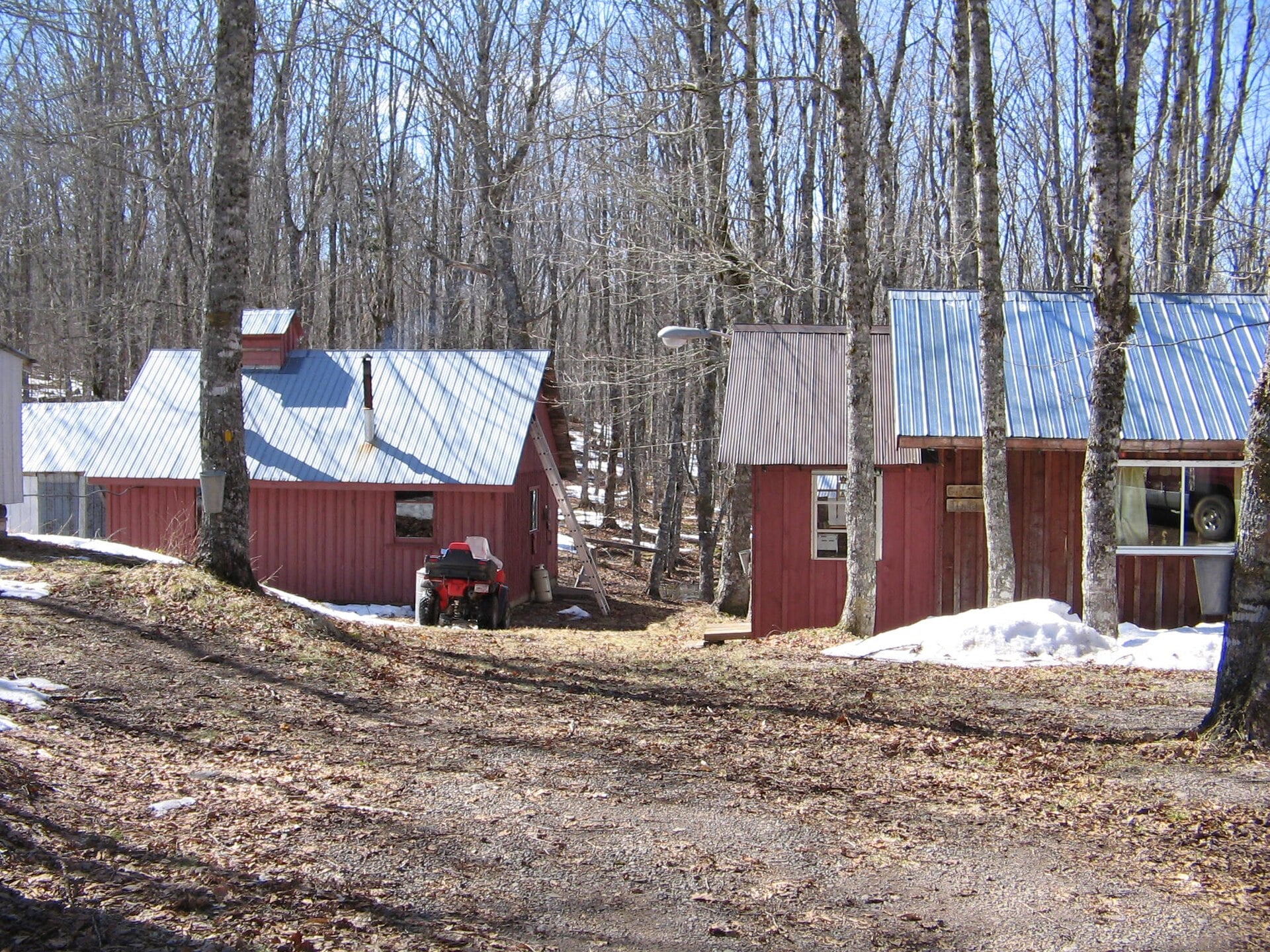
Imagine a Vermont sugarmaker retiring with roughly 800 gallons of finished maple syrup stored in the barn. The tapping and boiling are over, but wholesale customers keep buying the inventory into the following spring. With Social Security benefits now arriving too, a practical question emerges: could selling that syrup cause the retiree’s benefits to be reduced?
This hypothetical example, presented in 24/7 Wall St.’s September 5 article, illustrates an actual distinction in Social Security’s rules. Certain self-employment income received in a year after the initial year of benefit entitlement can be excluded from the retirement earnings test when it is not attributable to significant services performed after entitlement began. SSA’s regulation specifically addresses selling crops or products completed in or before the month of entitlement. The timing of production can therefore matter more than the arrival of the check.
The syrup was already made
The distinction the coverage draws is between production and proceeds. For the earnings test, 24/7 Wall St. explains, SSA can exclude certain self-employment income received in a year after the initial year of entitlement when that income is not attributable to significant services performed after benefits began. The trigger is not when the deposit clears. It is when the work happened.
The article relays SSA’s framing directly: actions taken after entitlement merely to sell a crop or product are not considered significant services if that product was completely produced by or before the month of entitlement. Syrup is a near-ideal test case for that language because the moment of completion is unusually legible. The evaporator either ran or it did not. The sap either got to density or it is still sap. A drum sealed in April is a finished product in a way that a half-built consulting engagement or a partially delivered service contract never quite is.
So the barn full of roughly 800 gallons is doing something more than storing sugar. It is storing evidence of a date. If all of that inventory was finished before benefits began, and the retiree spends the following spring selling exactly those gallons and nothing else, those receipts can be excluded when SSA applies the retirement earnings test — money arriving now, work performed earlier. The checks land in a year when the sugarhouse is cold, and under the treatment described in the coverage, the cold sugarhouse is the point.
Where selling stops and sugaring starts
The exclusion is not a permanent exemption attached to the retiree; it is attached to the syrup. And it ends where new production begins.
24/7 Wall St. is explicit that selling old syrup is not the same as making more. Tapping another season, boiling new sap, or performing substantial post-retirement work can attribute income to post-retirement services — and the outcome need not be all-or-nothing. The coverage notes that partial exclusion is possible when only part of the income relates to later work. A sugarmaker who empties the barn and also runs a modest new season would be looking at two different categories of receipts flowing through the same bank account, which is precisely why the categories need to be kept apart on paper.
On the other side of the line, the piece observes that irregular, occasional, or minor activities do not necessarily amount to significant services. The examples it gives are the small residue of a business winding down: signing certain contracts, monitoring an operation now run by someone else, occasional customer contact. Answering a distributor’s call about a delivery date is not the same act as standing over a pan at two in the morning in March, and the treatment described in the coverage tracks that difference rather than treating any contact with the old business as a return to it.
Two sets of books, and the dates that hold them apart
An earnings-test exclusion is not a tax exclusion, and the coverage is careful about that. The IRS still treats business income under its own rules. The piece also mentions the familiar starting points for Social Security benefit taxation — $25,000 for single filers and $32,000 for joint filers, with up to 85% of benefits taxable at higher income levels. The syrup money can be invisible to one calculation and fully visible to another in the same filing season. Those are separate ledgers keeping separate time.
Which puts unusual weight on records that a working sugarhouse might otherwise treat as informal. The coverage’s recordkeeping guidance is concrete: keep production and inventory documentation showing how many gallons were finished before entitlement, separate later sales of that existing inventory from any new production, and tell SSA when receipts arriving later relate to work performed before benefits began. None of that is exotic bookkeeping. It is a gallon count with a date on it — the kind of number a sugarmaker already writes down while the steam is still rising, now doing a second job years afterward.
In this hypothetical sugarhouse, the taps are pulled, the pans are dry, and the remaining syrup is waiting for buyers. The practical question is whether the later receipts meet SSA’s conditions for exclusion. If they do, selling that finished inventory the following year would not count against the retirement earnings limit. Production dates and records of any later work would help establish that distinction.