Latest
Watch
The eerie, first-person science of space. What the cosmos does to human bodies, minds, and the world you think you know.
Latest
Named bylines from Space Daily editors and writers. Full titles, not the house feed.
 Jul 26, 2026
The phone in your hand, the car on your driveway, and the AI that answered your last question all run on chips from one island, and if that…
Jul 26, 2026
The phone in your hand, the car on your driveway, and the AI that answered your last question all run on chips from one island, and if that…
 Jul 26, 2026
We assumed exomoons would be easy to find once we had the technology
Jul 26, 2026
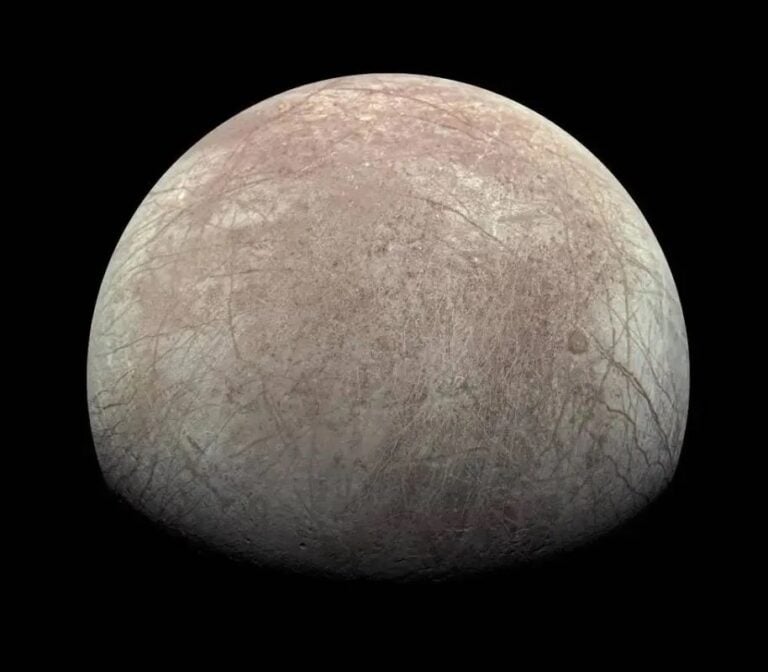
Jupiter's moon Europa hides a saltwater ocean that may contain more than twice the water of all Earth's oceans combined, yet a new…
Jul 26, 2026
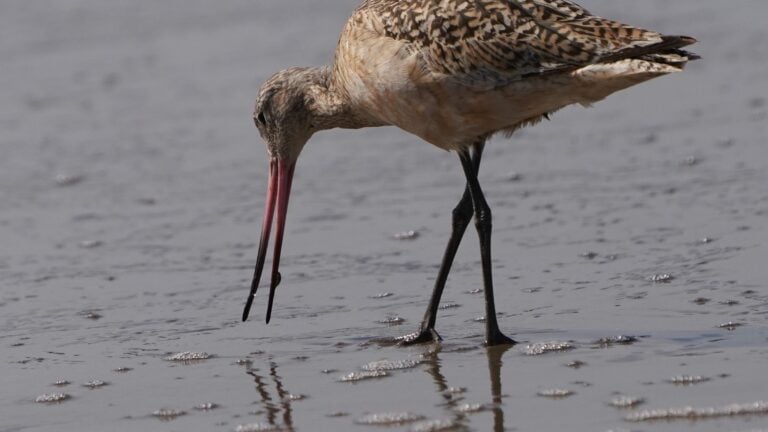
How does an animal weighing less than a chocolate bar fly 13,000 kilometres across the Pacific without landing, eating or sleeping?
Jul 26, 2026
We assumed exomoons would be easy to find once we had the technology
Jul 26, 2026
Jupiter's moon Europa hides a saltwater ocean that may contain more than twice the water of all Earth's oceans combined, yet a new…
Jul 26, 2026
How does an animal weighing less than a chocolate bar fly 13,000 kilometres across the Pacific without landing, eating or sleeping?
 Jul 26, 2026
A 'sasaeng' is the South Korean term for a fan whose devotion crosses into surveillance and intrusion, and the reframe that lingers is that…
Jul 26, 2026
A 'sasaeng' is the South Korean term for a fan whose devotion crosses into surveillance and intrusion, and the reframe that lingers is that…

The first photograph of Mars almost never reached the world because a printer was too slow—so NASA scientists grabbed art supplies from a local shop and finished it by hand.

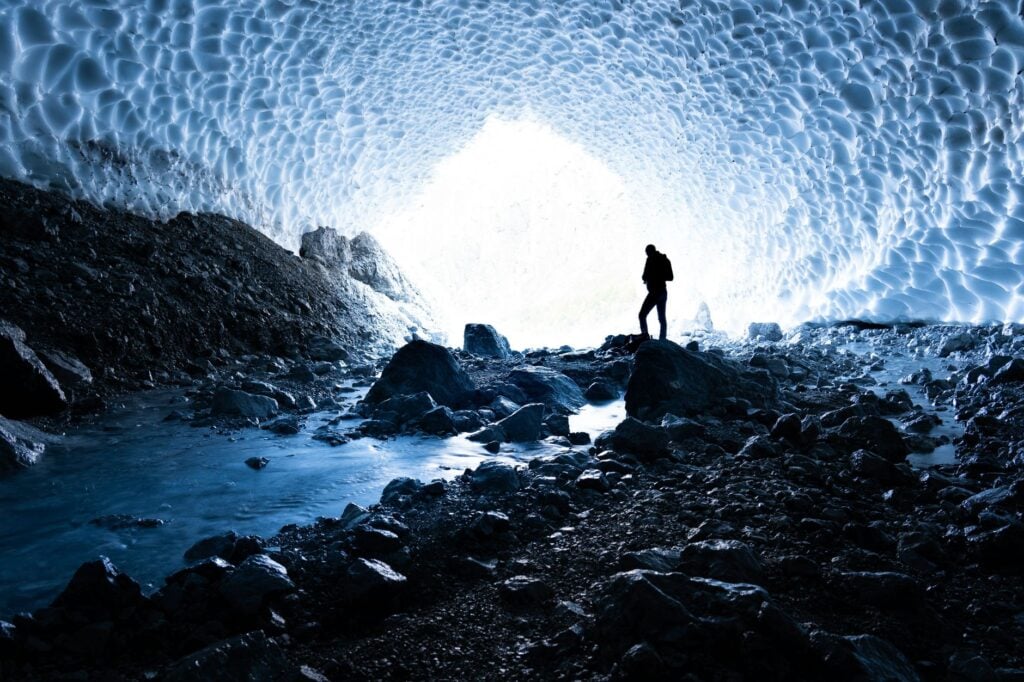
A neutrino detector buried deep in Antarctic ice is catching ghost particles that pass straight through Earth, revealing violent cosmic events invisible to traditional telescopes.
What’s up in
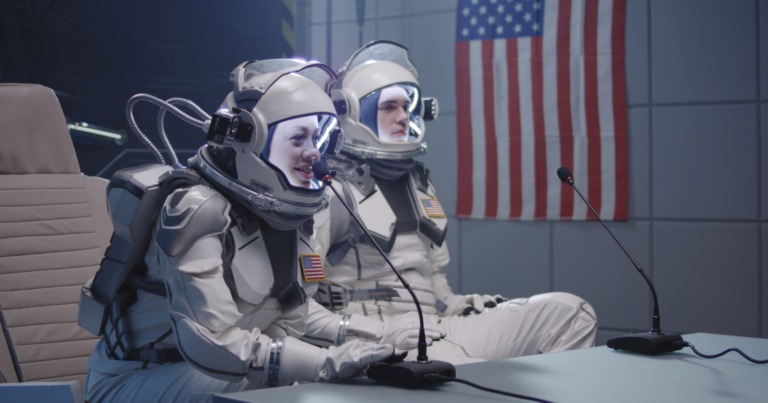
Industry news, exploration, and the engineering of getting humans and machines beyond Earth.
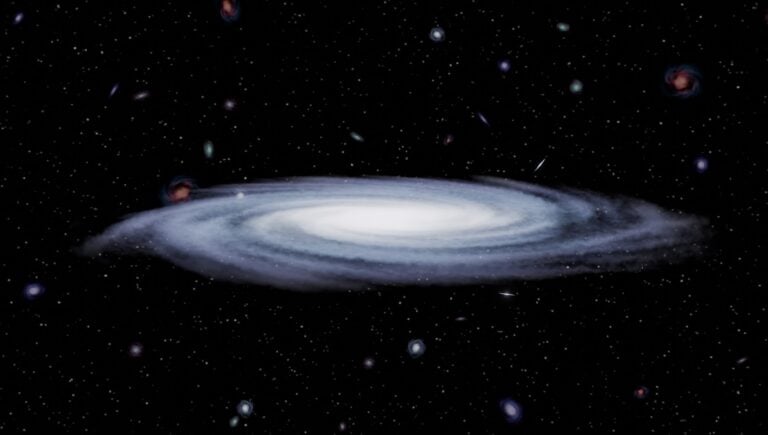
What’s up in
The psychology of ambition, isolation, and meaning under extremes — and what frontier life teaches us about being human.
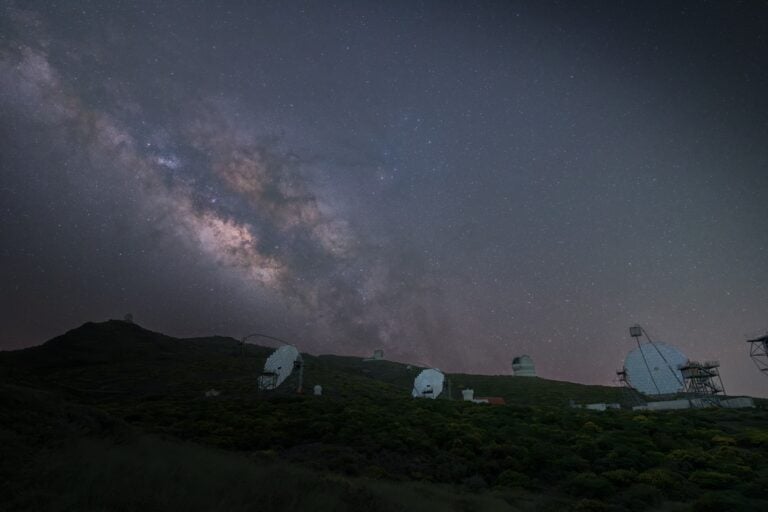
What’s up in
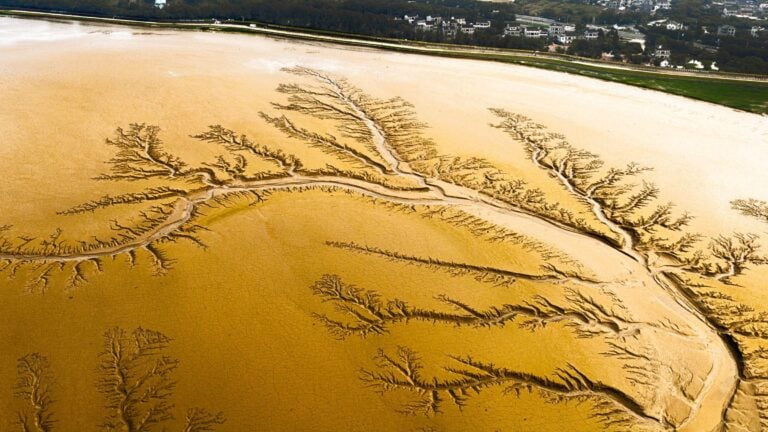
Physics, climate, planetary science, and the research that shapes how we understand the universe.

Space, science, and the human side of the frontier. Since 1995.
Space Daily is an independent publication covering three connected beats: the space industry, the science behind it, and the psychology of ambition, isolation, and meaning under extremes. Founded in Tokyo in 1995, we’ve built a thirty-year archive of rigorous reporting on the people, missions, and ideas pushing humanity outward — and on the human dynamics shaped by frontier life. The same ambitions, pressures, and patterns of mind that drive humanity to the stars also shape how we live on Earth. We employ modern AI technologies to support our editorial workflows; every published piece is editorially directed and reviewed.
More about us →