
Latest
Watch
The eerie, first-person science of space. What the cosmos does to human bodies, minds, and the world you think you know.
Latest
Named bylines from Space Daily editors and writers. Full titles, not the house feed.
 Aug 27, 2026
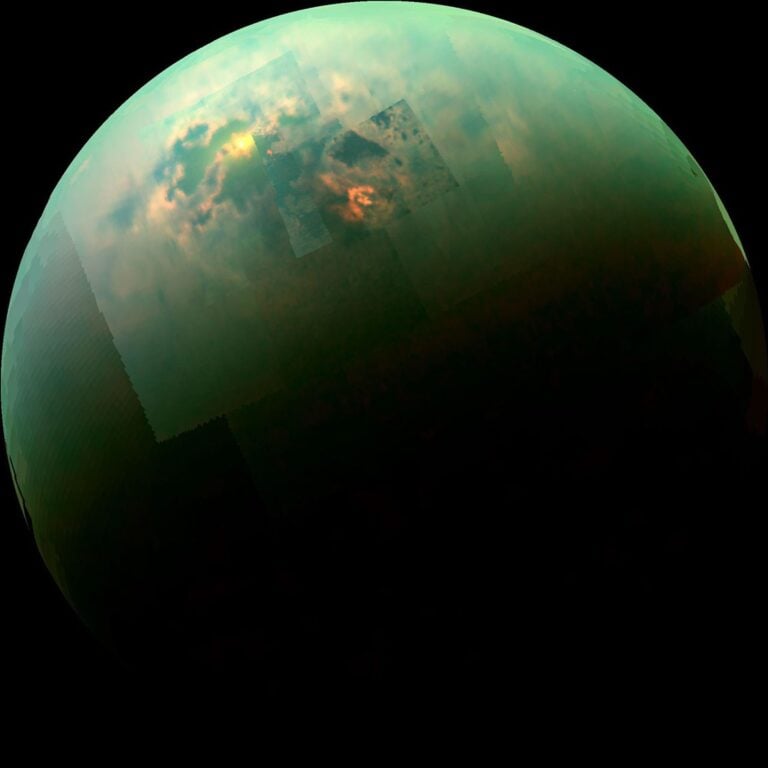
Titan is wider than Mercury, operates a complete methane weather cycle, and contains hundreds of times more liquid hydrocarbons than all…
Aug 27, 2026
Titan is wider than Mercury, operates a complete methane weather cycle, and contains hundreds of times more liquid hydrocarbons than all…
 Aug 27, 2026
Off the coast of Portugal, a pod of sperm whales was seen adopting a lone bottlenose dolphin with a deformed, S-shaped spine that its own…
Aug 26, 2026
When corn arrived in Europe after 1492, it was hailed as a miracle crop, but eaten the wrong way it made skin crack and peel away in the…
Aug 26, 2026
A creature that spends its entire life in crushing darkness a kilometre beneath the waves appeared, alive, at the sunlit surface off…
Aug 27, 2026
Off the coast of Portugal, a pod of sperm whales was seen adopting a lone bottlenose dolphin with a deformed, S-shaped spine that its own…
Aug 26, 2026
When corn arrived in Europe after 1492, it was hailed as a miracle crop, but eaten the wrong way it made skin crack and peel away in the…
Aug 26, 2026
A creature that spends its entire life in crushing darkness a kilometre beneath the waves appeared, alive, at the sunlit surface off…
 Aug 26, 2026
We tend to think wolves became dogs because humans tamed them, but a 2025 study suggests the story may have begun the other way around
Aug 26, 2026
We tend to think wolves became dogs because humans tamed them, but a 2025 study suggests the story may have begun the other way around

The deadly logic of extreme altitude: ambition and ignorance colliding in a wicker basket thousands of feet above Paris.

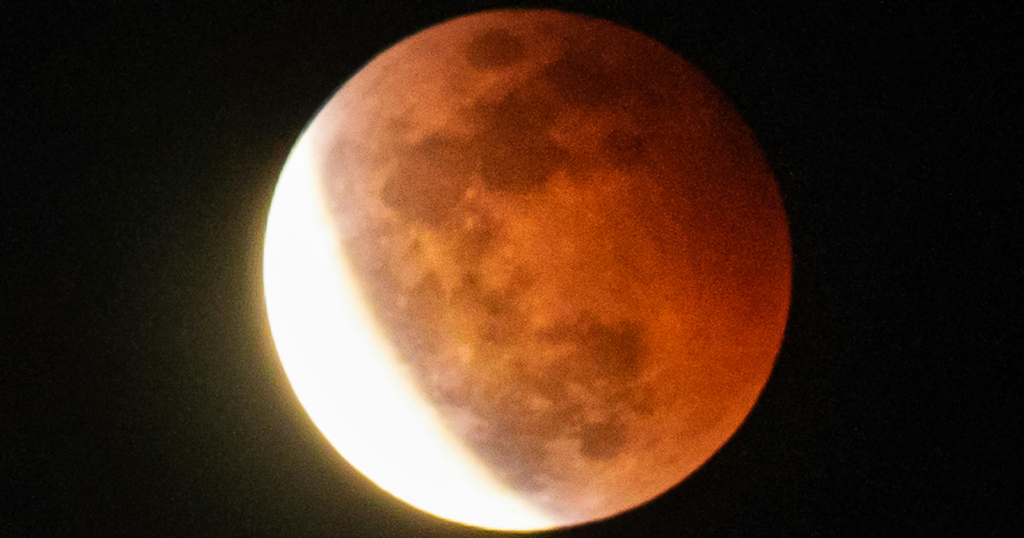
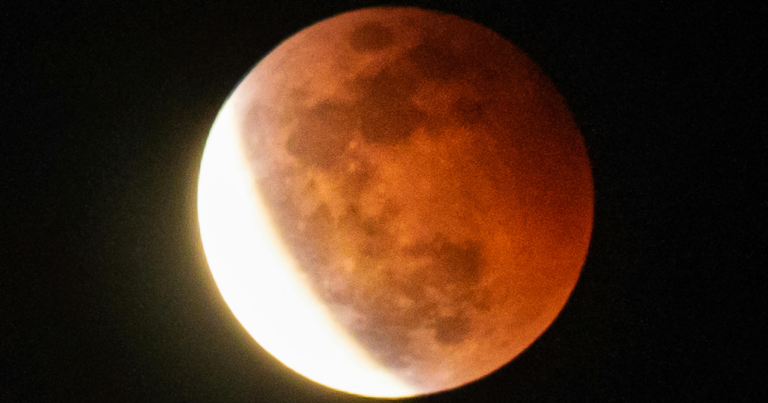
A near-total eclipse Thursday night reveals how astronomy's rigid categories can obscure the most spectacular version of an already rare celestial event.

What’s up in
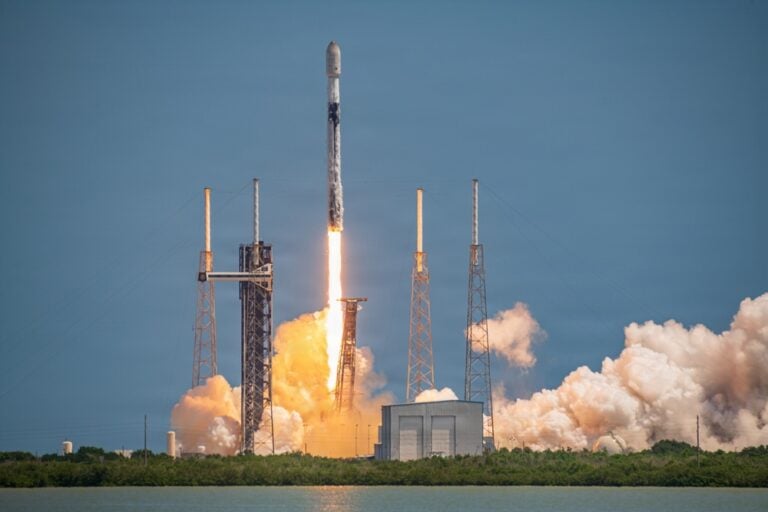
Industry news, exploration, and the engineering of getting humans and machines beyond Earth.

What’s up in
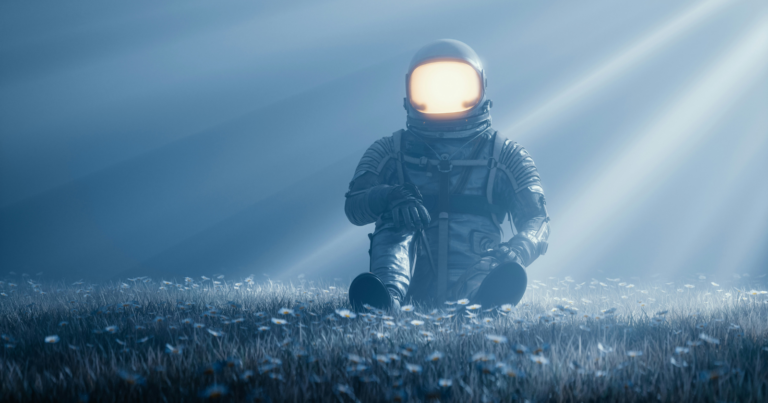
The psychology of ambition, isolation, and meaning under extremes — and what frontier life teaches us about being human.

What’s up in
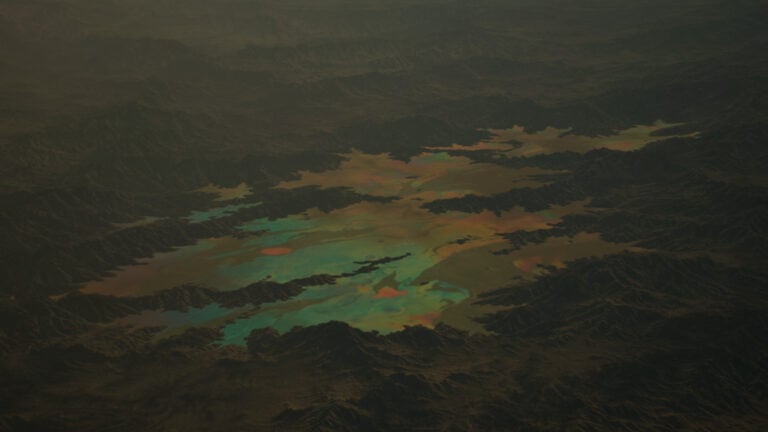
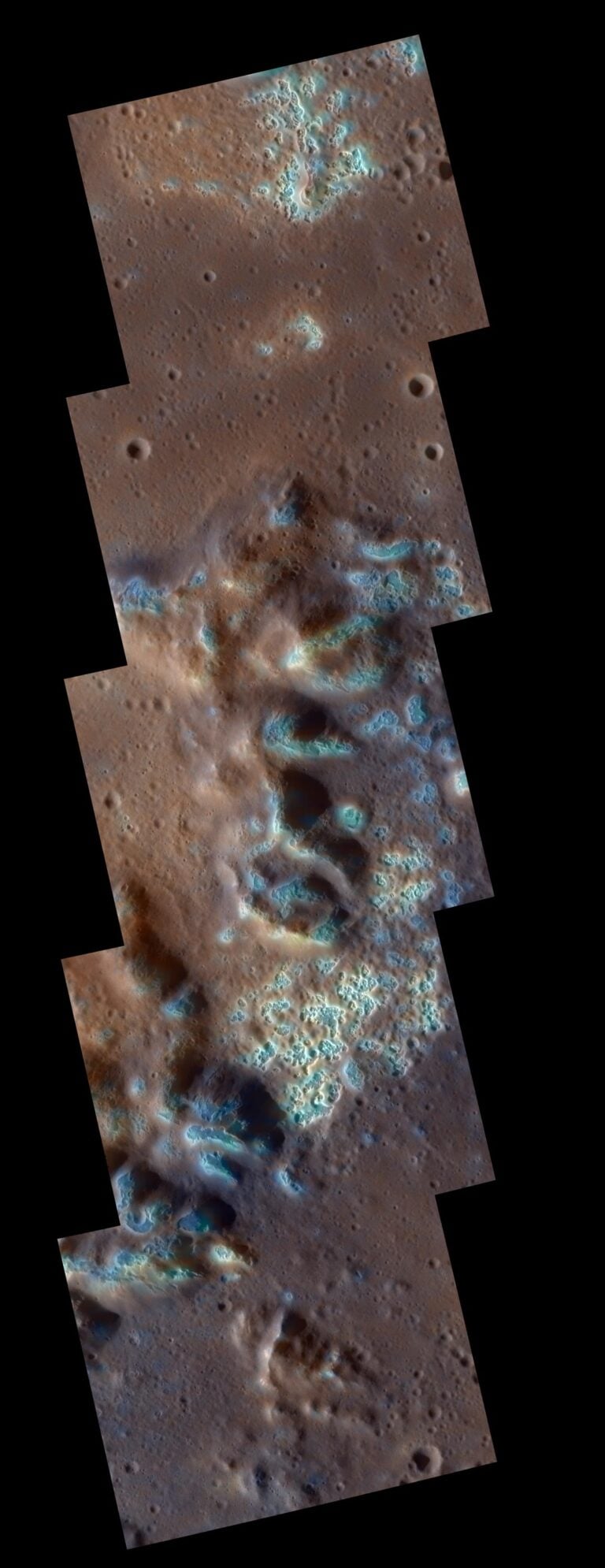
Physics, climate, planetary science, and the research that shapes how we understand the universe.
Space, science, and the human side of the frontier. Since 1995.
Space Daily is an independent publication covering three connected beats: the space industry, the science behind it, and the psychology of ambition, isolation, and meaning under extremes. Founded in Tokyo in 1995, we’ve built a thirty-year archive of rigorous reporting on the people, missions, and ideas pushing humanity outward — and on the human dynamics shaped by frontier life. The same ambitions, pressures, and patterns of mind that drive humanity to the stars also shape how we live on Earth. We employ modern AI technologies to support our editorial workflows; every published piece is editorially directed and reviewed.
More about us →